
The Cosmogenic Nuclide Laboratory advances the use of cosmogenic isotopes to quantify Earth surface processes. We develop and apply state-of-the-art techniques—including ¹⁰Be, ²⁶Al, ³⁶Cl, and in situ ¹⁴C—to reconstruct exposure histories, erosion rates, and landscape evolution across a wide range of geological and environmental settings. Our research spans timescales from thousands to millions of years and supports interdisciplinary collaborations in glaciology, geomorphology, tectonics, natural hazard assessment, and climate science.
Cosmogenic Nuclides
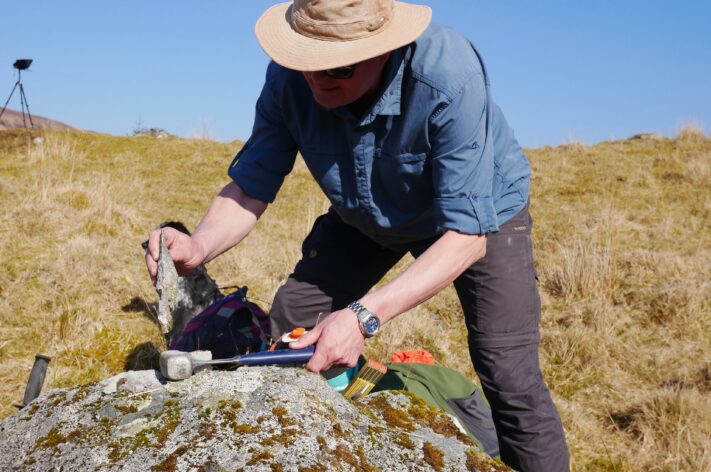
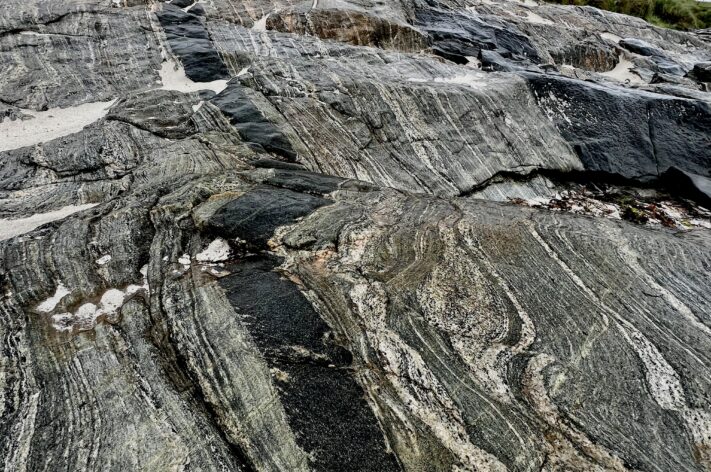
We determine surface exposure ages of landforms, surface erosion rates, and burial ages of sediments using the cosmogenic nuclides 3He, 10Be, 14C, 21Ne, 26Al, and 36Cl in different mineral systems to study landscape and human evolution on timescales of hundreds to millions of years. We host the NERC funded National Environmental Isotope Facility – Cosmogenic Nuclides (NEIF-CN).
Techniques
High energy ultrasonic tanks
removing meteoric beryllium to produce pure quartz
Scrubbed fume hoods
HF digestion of minerals to extract elements from rocks
ICP-OES
measure concentration of elements in solution
Ion chromatography
sample purification by separation of elements from solutions
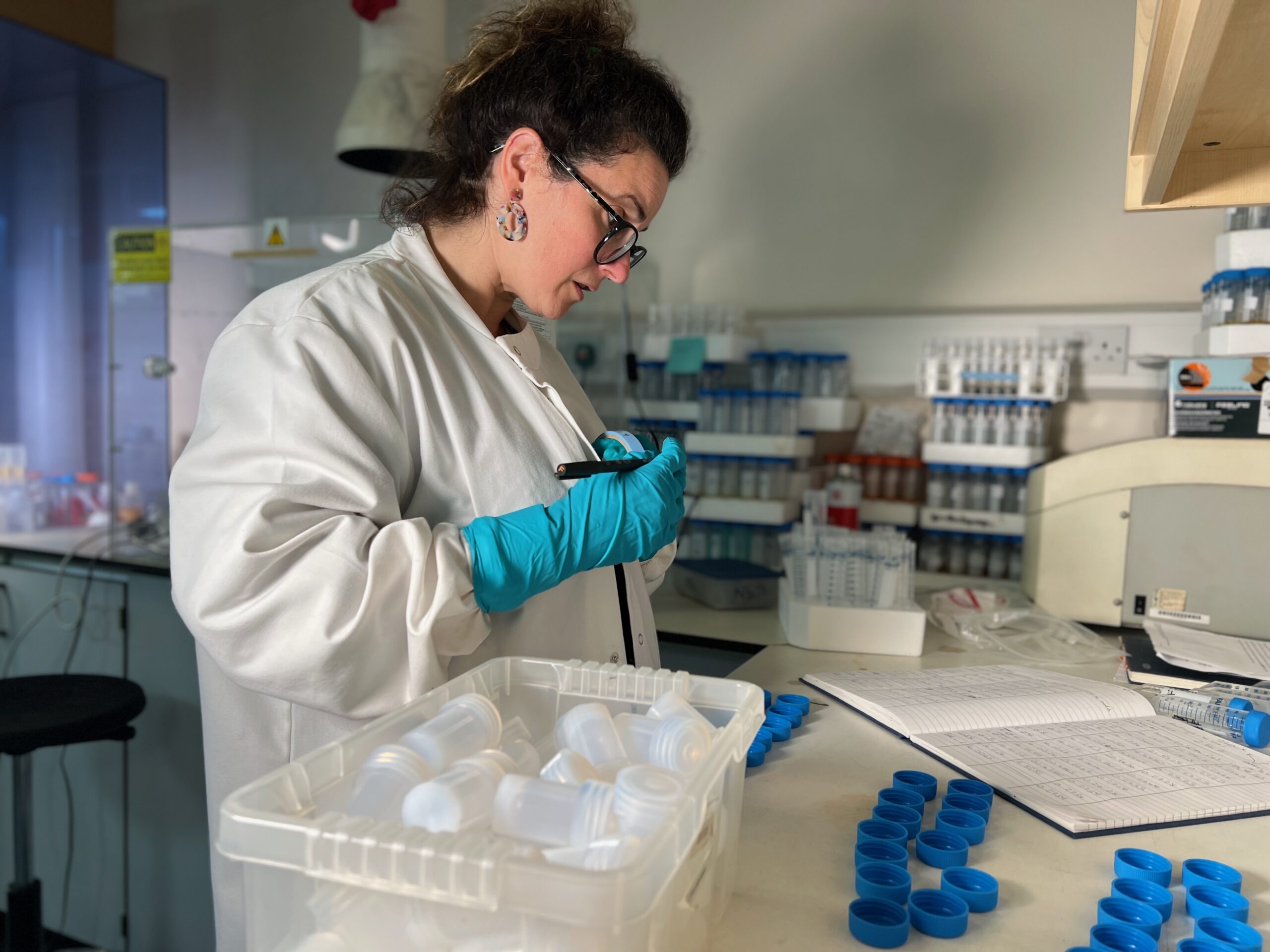
Dr Ana Carracedo
Research Associate

Prof Derek Fabel
SUERC Director of Research, Professor of Accelerator Geochronology, Head of NEIF Cosmogenic Nuclides Facility

Dr Delia Gheoghiu
Research Fellow, NEIF Cosmogenic Nuclides Facility

Dr Keir Nichols
In-situ Radiocarbon Scientist

Allan Davidson
Technician, NEIF Cosmo Laboratory

Maria Miguens-Rodriguez
Laboratory Manager