The Accelerator Mass Spectrometry (AMS) Laboratory pioneers advances in ultra-sensitive isotope measurement and instrumentation. The group plays a leading role in the development of next-generation AMS technologies, supporting research in radiocarbon and cosmogenic nuclides while also contributing to fundamental nuclear physics through the refinement of nuclear reaction cross-sections. Through continuous technical innovation and precision science, the AMS Laboratory underpins transformative research across the Earth, environmental, archaeological, and physical sciences.
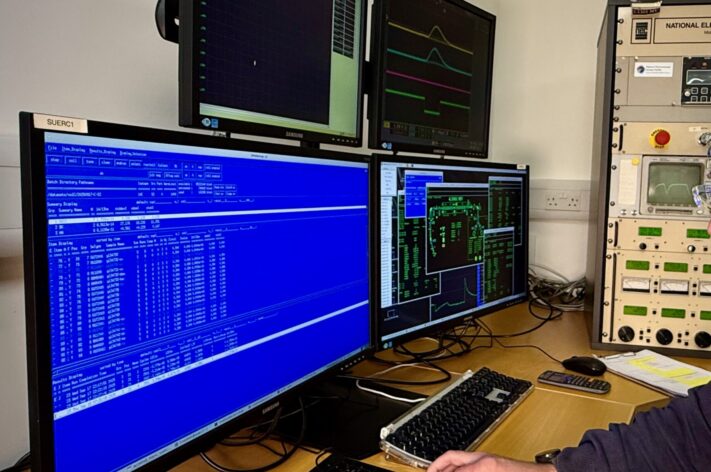
Accelerator Mass Spectrometry
Accelerator Mass Spectrometry (AMS) is ultrasensitive isotope ratio mass spectrometry of small, prepared samples. By accelerating sample atoms the ions can be characterised by combined conventional mass spectrometry and high-energy collisions within and after the accelerator. Isotopes typically measured include a handful of rare long-lived radionuclides, 10Be, 14C, 26Al, and 36Cl. The AMS Laboratory specialises in environmental science measurement of these natural chronometers and tracers and undertakes research in pursuit of this. The AMS Laboratory performs about 8,000 analyses a year with collaborators including the SUERC Radiocarbon Laboratory, the NEIF Radiocarbon Facility (Environment), SUERC-Cosmo (includes NEIF-CN), and laboratories further afield.
Techniques
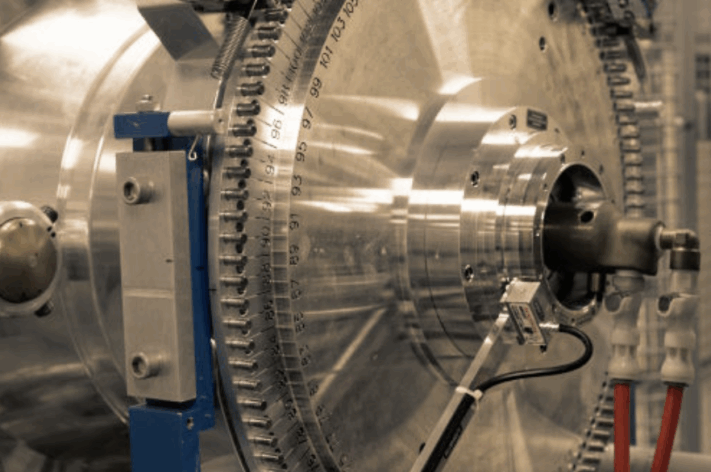
NEC 5MV Pelletron
measurement of 14C, 10Be, 26Al, 36Cl in solid samples
NEC SSAMS
measurement of 14C in solid samples
NEC PIMS
measurement of 14C in gas samples

Prof Derek Fabel
SUERC Director of Research, Professor of Accelerator Geochronology, Head of NEIF Cosmogenic Nuclides Facility

Prof Stewart Freeman
Professor of Accelerator Microanalysis
Dr Pauline Gulliver
Research Scientist, NEIF Radiocarbon Laboratory / AMS Laboratory
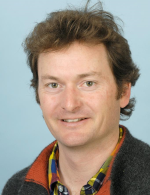
Dr Cameron McIntyre
Research Fellow, AMS Laboratory

Dr Richard Shanks
Senior Research Fellow, AMS Laboratory

Dr Thomas Donoclift
AMS Technician
Abdulkadir Ishola
AMS Electronic Technician
Mellony Smart
AMS Technician