The Stable Isotope Cluster is a multidisciplinary centre of excellence, where world-leading expertise in isotope biochemistry, ecology, geoscience, and clumped isotope thermometry drives innovative, high-impact research across the natural and life sciences. The cluster brings together advanced analytical capabilities—including isotope ratio and high-resolution mass spectrometry—with deep disciplinary knowledge to advance knowledge and inform global challenges.
SUERC’s Stable Isotope Biochemistry Group specialises in the application of light stable isotopes to investigate human metabolism, nutrition, and environmental health. Combining high-precision isotope ratio mass spectrometry with advanced Orbitrap technology, the group traces nutrient pathways, identifies biochemical responses to environmental exposures, and supports interdisciplinary research at the interface of biology, medicine, and the environment.
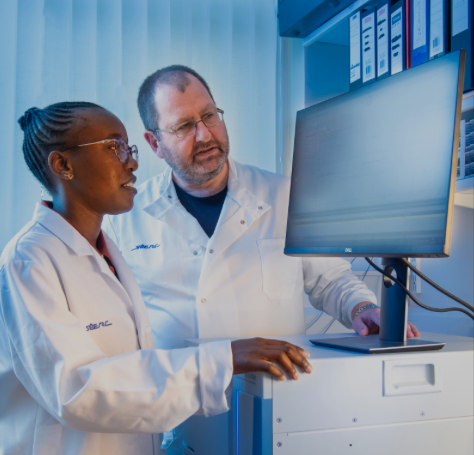
The Stable Isotope Ecology Group applies light stable isotope analysis to investigate ecological interactions, food web dynamics, and animal movements across both terrestrial and aquatic systems. Using high-precision isotope ratio mass spectrometry, the group generates insights into trophic structure, dietary patterns, and ecosystem change—supporting research in conservation biology, environmental monitoring, and ecological resilience.
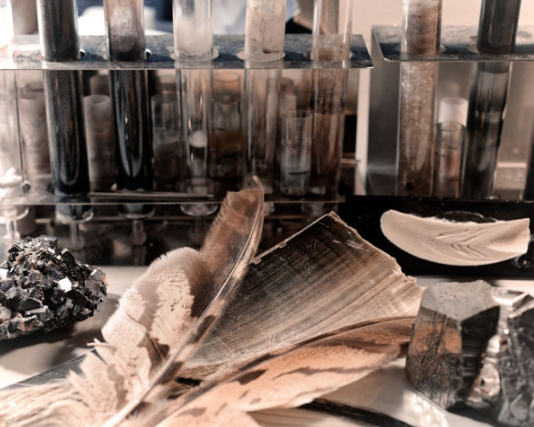
The Clumped Isotope Group specialises in the application of clumped isotope thermometry to reconstruct the formation temperatures of carbonate minerals and unravel fluid histories in geological systems. In addition to carbonate analysis, the group employs high-resolution mass spectrometry to investigate clumping in atmospheric gases—advancing our understanding of atmospheric processes, climate dynamics, and the global carbon cycle. This work supports research across Earth system science, energy geoscience, and environmental change.
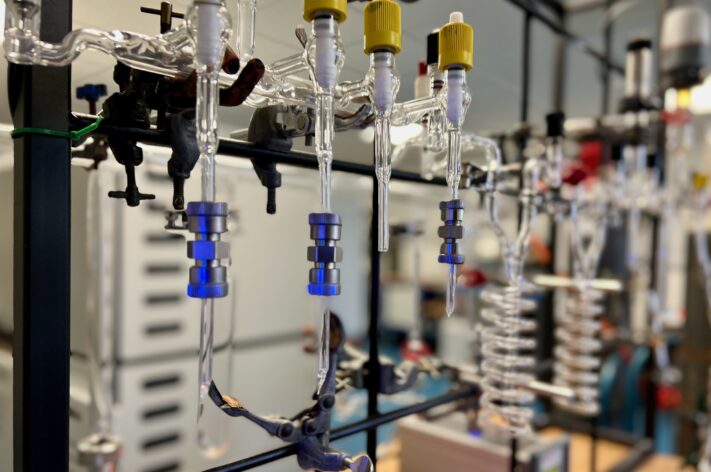
The Stable Isotope Geoscience Group applies stable isotope analysis to investigate geological, environmental, and marine processes across both deep Earth and surface systems. Using high-precision isotope ratio mass spectrometry, the group analyses carbon, oxygen, and other light isotopes in minerals, rocks, fluids, and marine carbonates to study diagenesis, fluid-rock interaction, sediment provenance, and paleoenvironmental change. Their research supports a wide range of applications, including basin evolution, resource exploration, and marine climate reconstructions across geological time.