Research at SUERC is broadly organised into nine research clusters; however, we place a strong emphasis on interdisciplinarity, fostering collaboration across scientific domains to tackle complex challenges that span the Earth, environmental, and life sciences. Our integrated approach enables us to combine diverse expertise, methods, and technologies to deliver innovative solutions with real-world impact.
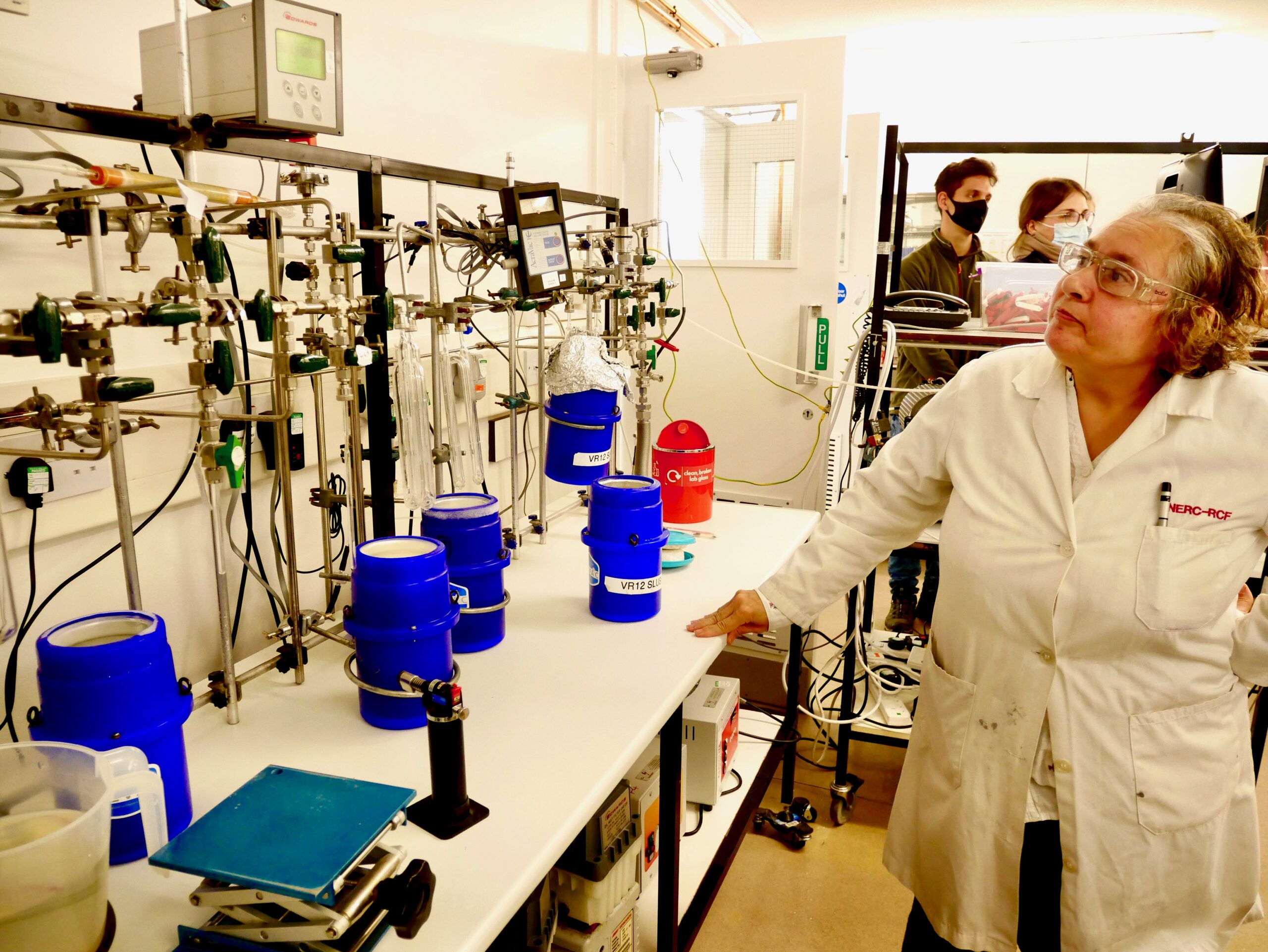
Radiocarbon Research Cluster
Radiocarbon dating and carbon cycle science are at the heart of our global reputation for analytical excellence. This capability underpins research across archaeology, environmental science, and climate studies—helping to build robust chronologies, track carbon flows through ecosystems, and understand the impacts of human activity on the carbon cycle.
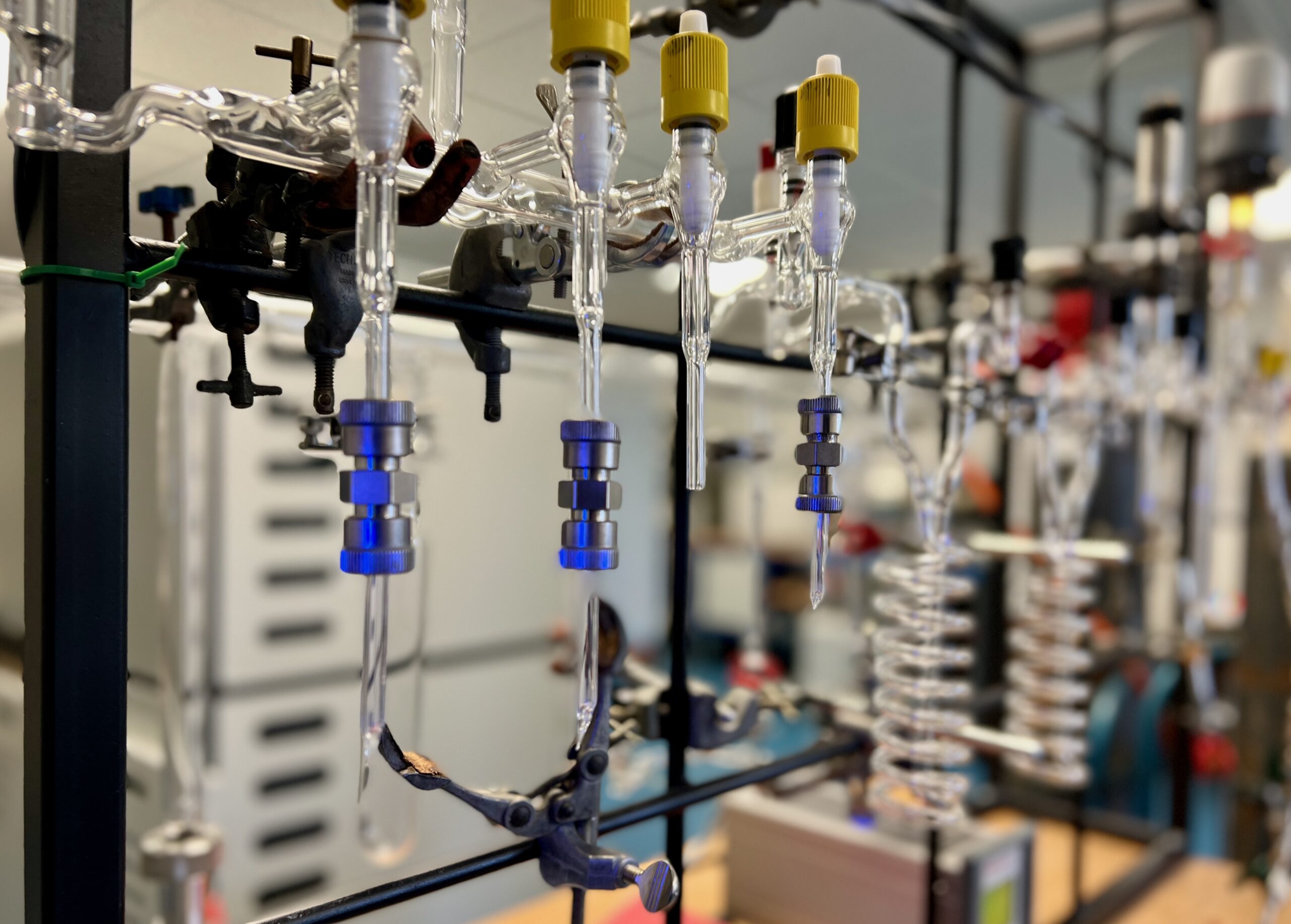
Environmental Chemistry Research Group
The Environmental Chemistry Group specialises in the analysis of trace elements and contaminants across environmental systems. Using advanced elemental and isotopic techniques, the group supports research into pollution pathways, environmental health, and geochemical processes. Their work underpins applications in environmental monitoring, land remediation, and regulatory science.
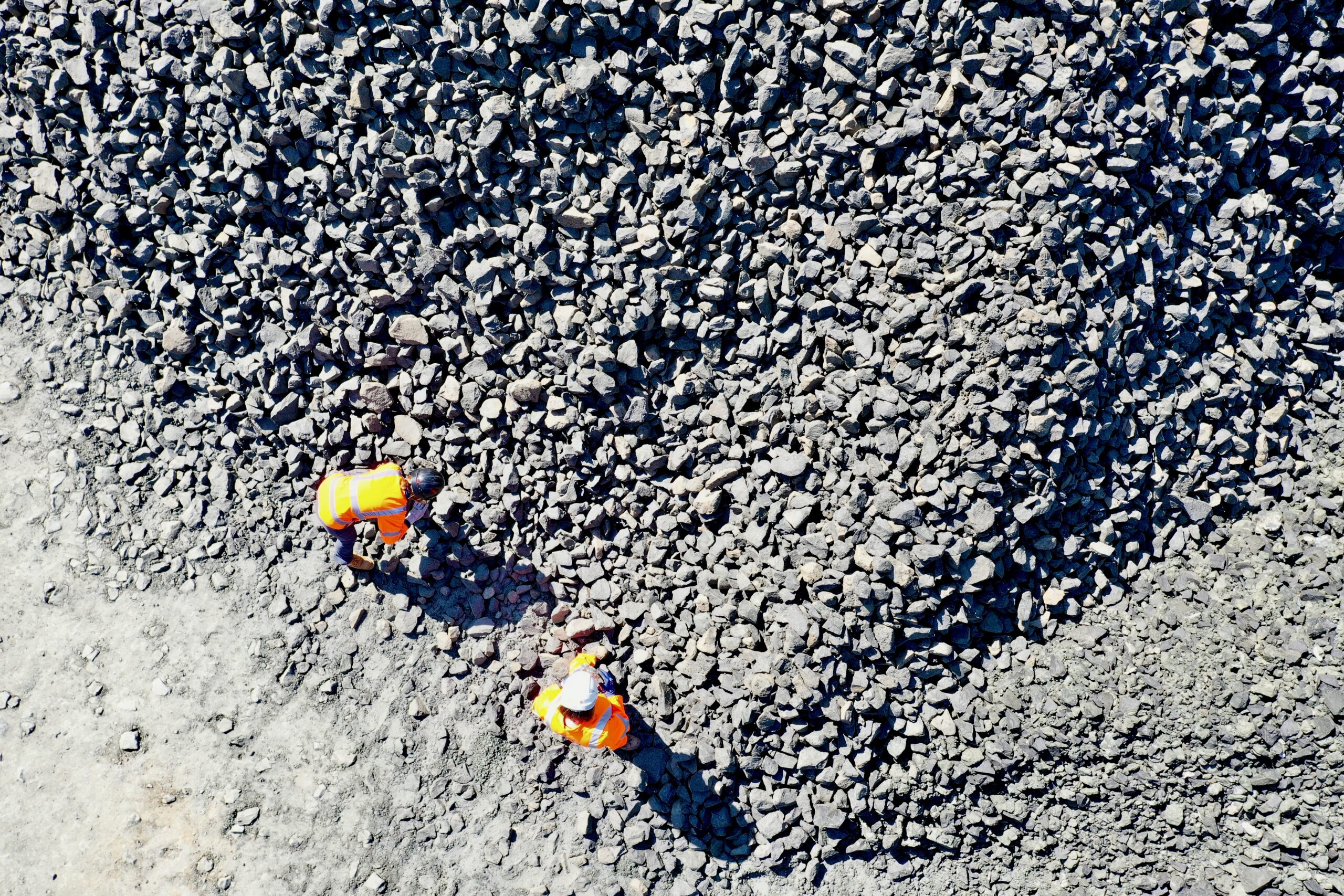
Noble Gas Research Group
The Noble Gas Research Group uses noble gases as tracers to investigate planetary, geological and environmental processes. The group plays a key role in applying noble gases to carbon capture and storage (CCS), complemented by stable isotope analysis, cosmogenic He and Ne dating, and U-Th/He thermochronology. Their work supports research on Earth system dynamics, environmental change, and subsurface resource monitoring.
Accelerator Mass Spectrometry Research Cluster
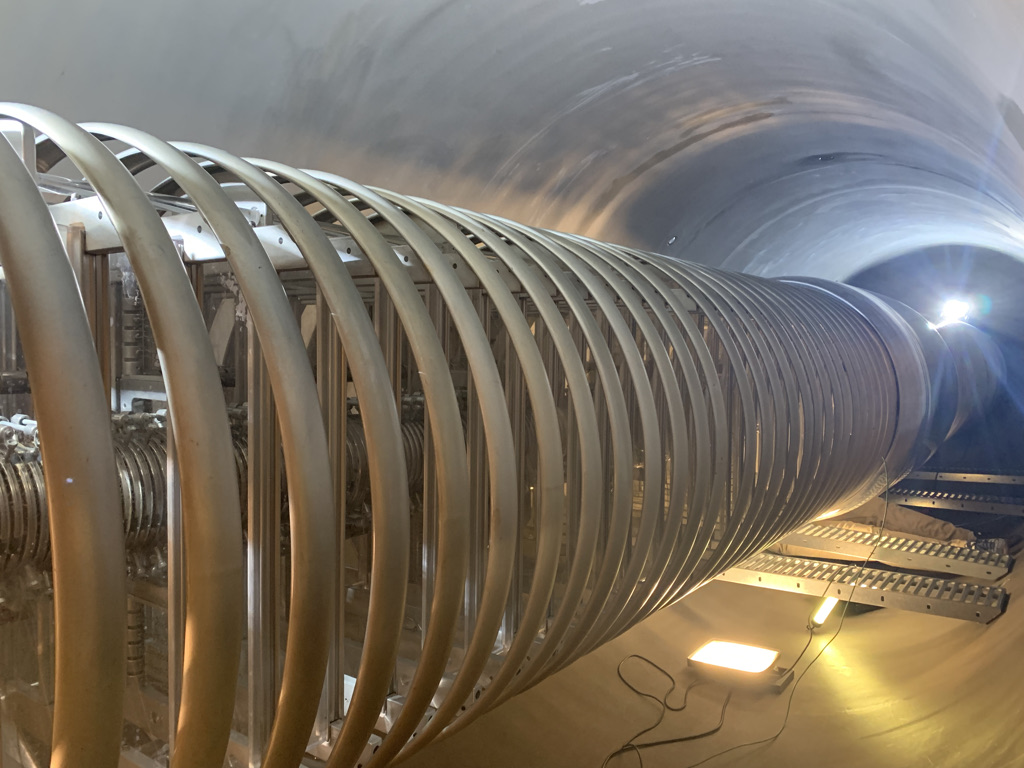
The Accelerator Mass Spectrometry (AMS) Group pioneers advances in ultra-sensitive isotope measurement and instrumentation. The group plays a leading role in the development of next-generation AMS technologies, supporting research in radiocarbon and cosmogenic nuclides while also contributing to fundamental nuclear physics through the refinement of nuclear reaction cross-sections. Through continuous technical innovation and precision science, the AMS Group underpins transformative research across the Earth, environmental, archaeological, and physical sciences.
Geochronology and Geochemistry Research Group
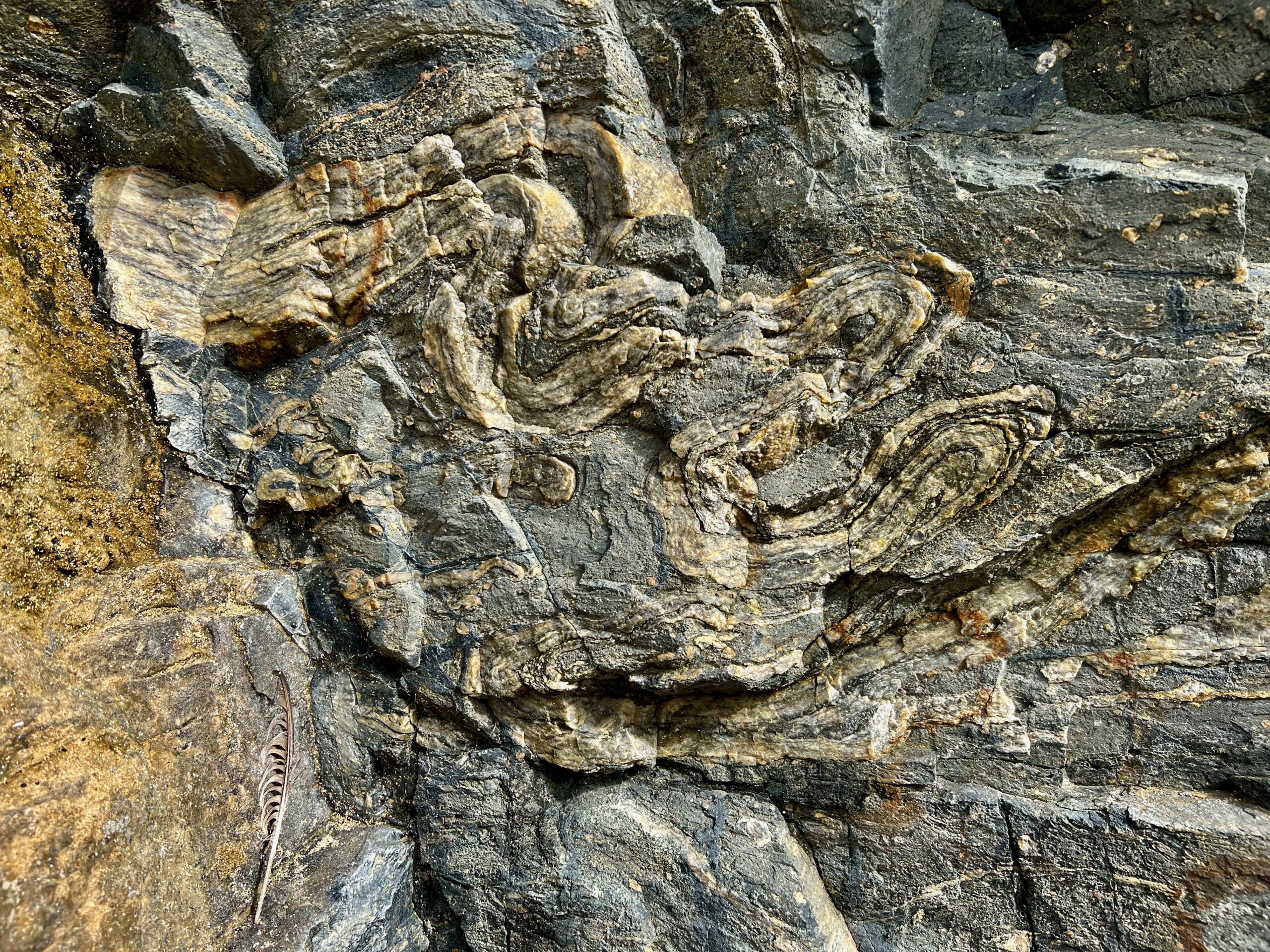
The Geochronology and Geochemistry Research Group (G2RG) is a globally recognised leader in high-precision geochronology and isotope geochemistry. We specialise in developing and applying state-of-the-art techniques to unravel the timing and rates of geological, planetary, and environmental processes, and contribute to international efforts to refine and calibrate geochronometers. Our research spans deep time to recent Earth history, supporting interdisciplinary collaborations across the geosciences, archaeology, and environmental science.
Cosmogenic Nuclide Research Group
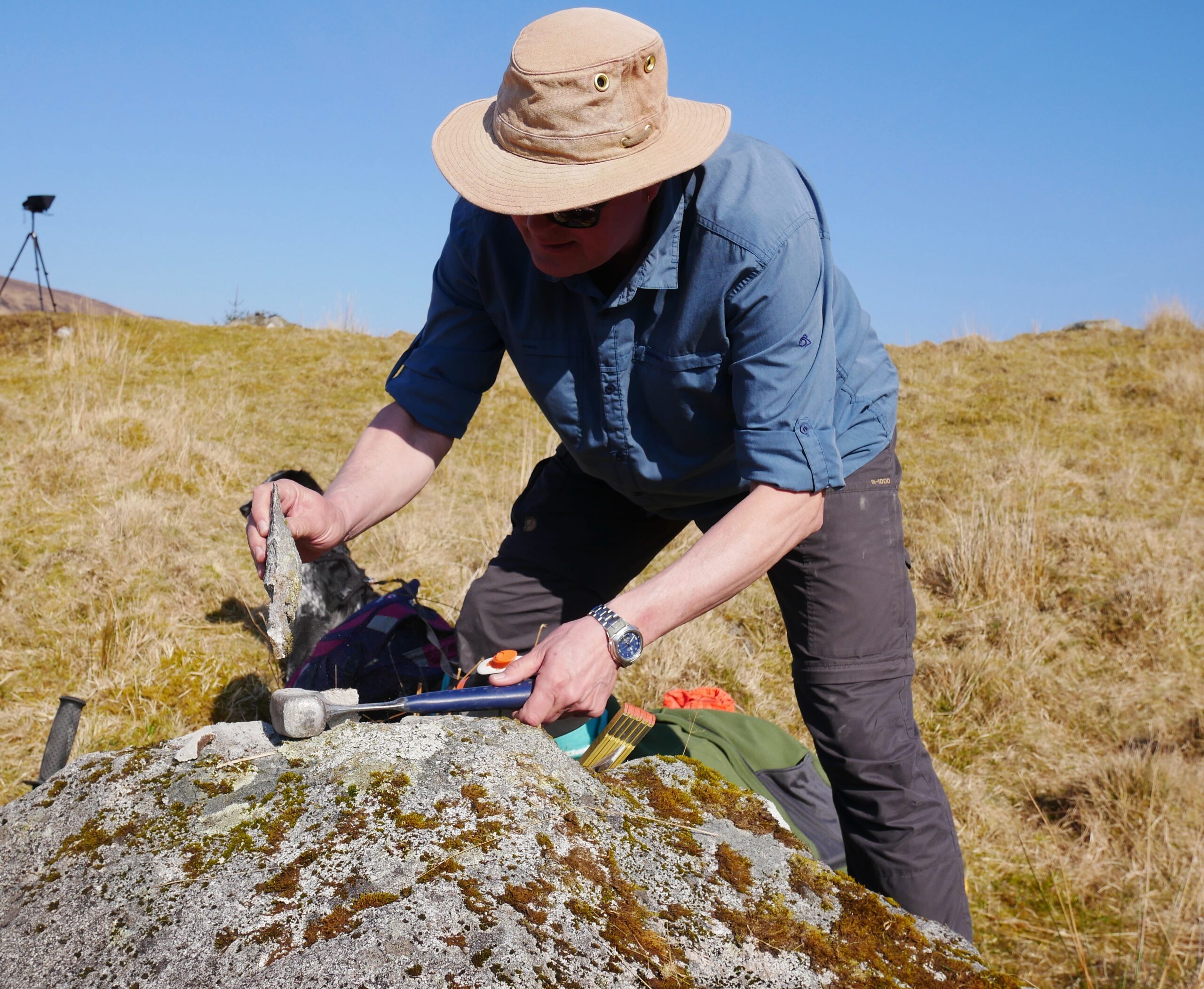
The Cosmogenic Nuclide Research Group advances the use of cosmogenic isotopes to quantify Earth surface processes. We develop and apply state-of-the-art techniques—including ¹⁰Be, ²⁶Al, ³⁶Cl, and in situ ¹⁴C—to reconstruct exposure histories, erosion rates, and landscape evolution across a wide range of geological and environmental settings. Our research spans timescales from thousands to millions of years and supports interdisciplinary collaborations in glaciology, geomorphology, tectonics, natural hazard assessment, and climate science.
Stable Isotope Research Cluster
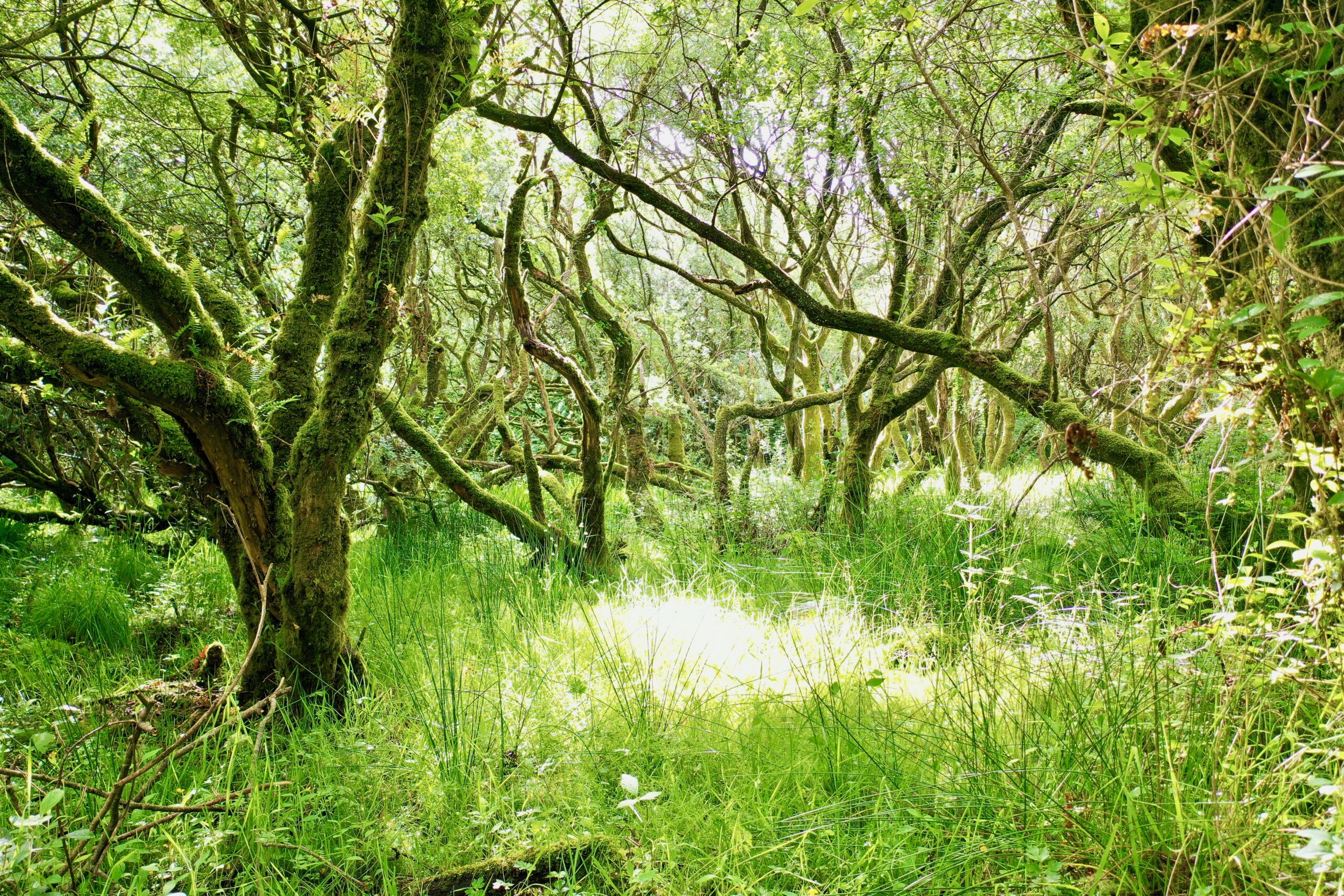
The Stable Isotope Cluster is a multidisciplinary hub applying stable isotope science to address critical questions across biochemistry, geoscience, ecology, and environmental change. The cluster supports everything from nutrient tracing in metabolic pathways to provenance studies, food web dynamics, and the reconstruction of past climates and environments—delivering powerful insights into the processes that shape both living systems and the Earth.
Environmental Physics and Luminescence Research Group
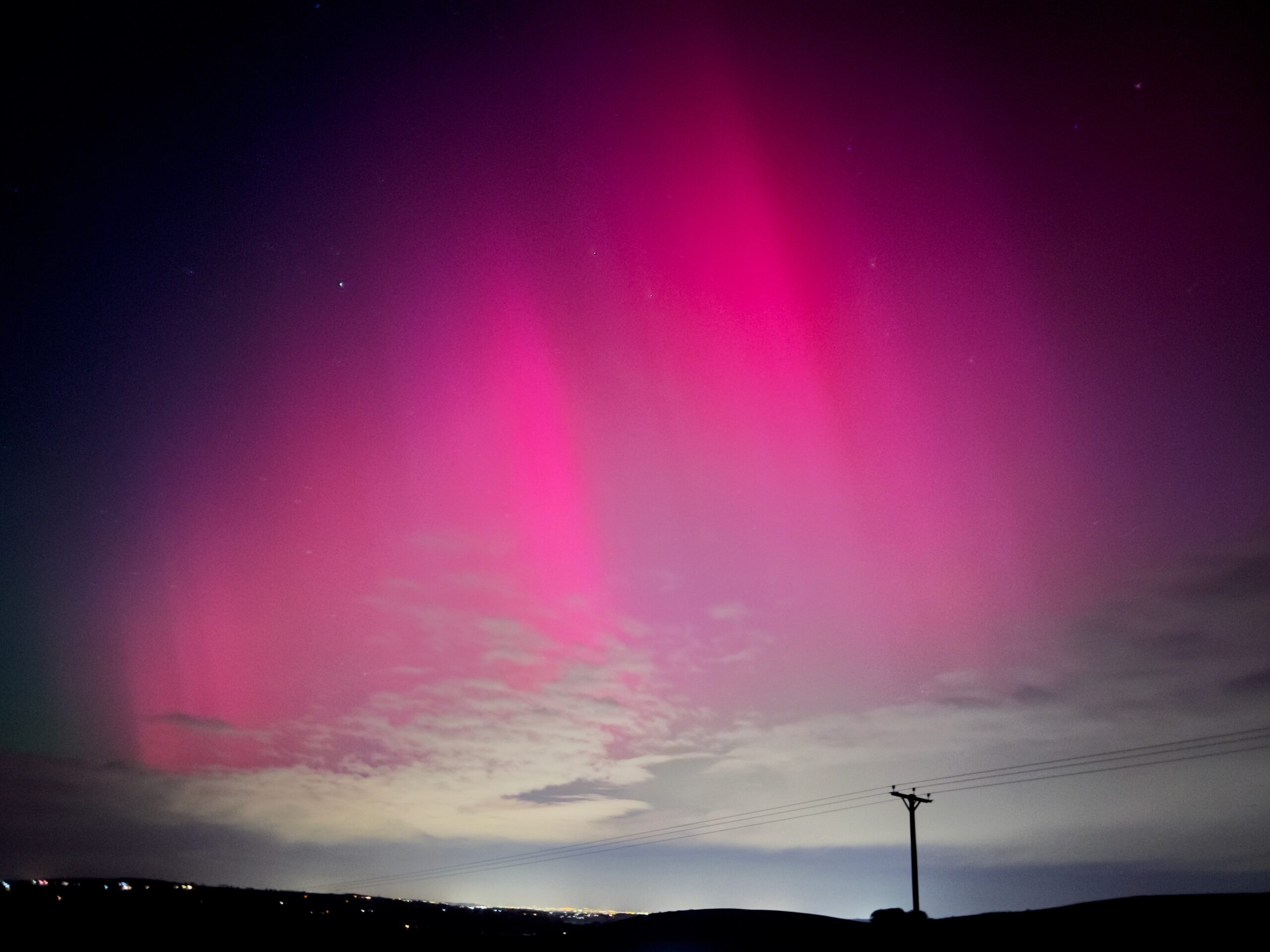
The Environmental Physics and Luminescence Group develops and applies advanced luminescence and radiation detection techniques for environmental, archaeological, and regulatory applications. The group specialises in optically stimulated luminescence (OSL) dating, environmental monitoring, and food irradiation detection, and is recognised for its use of portable PPSL systems for rapid field assessments in emergency response and contamination mapping.
GAEA Group
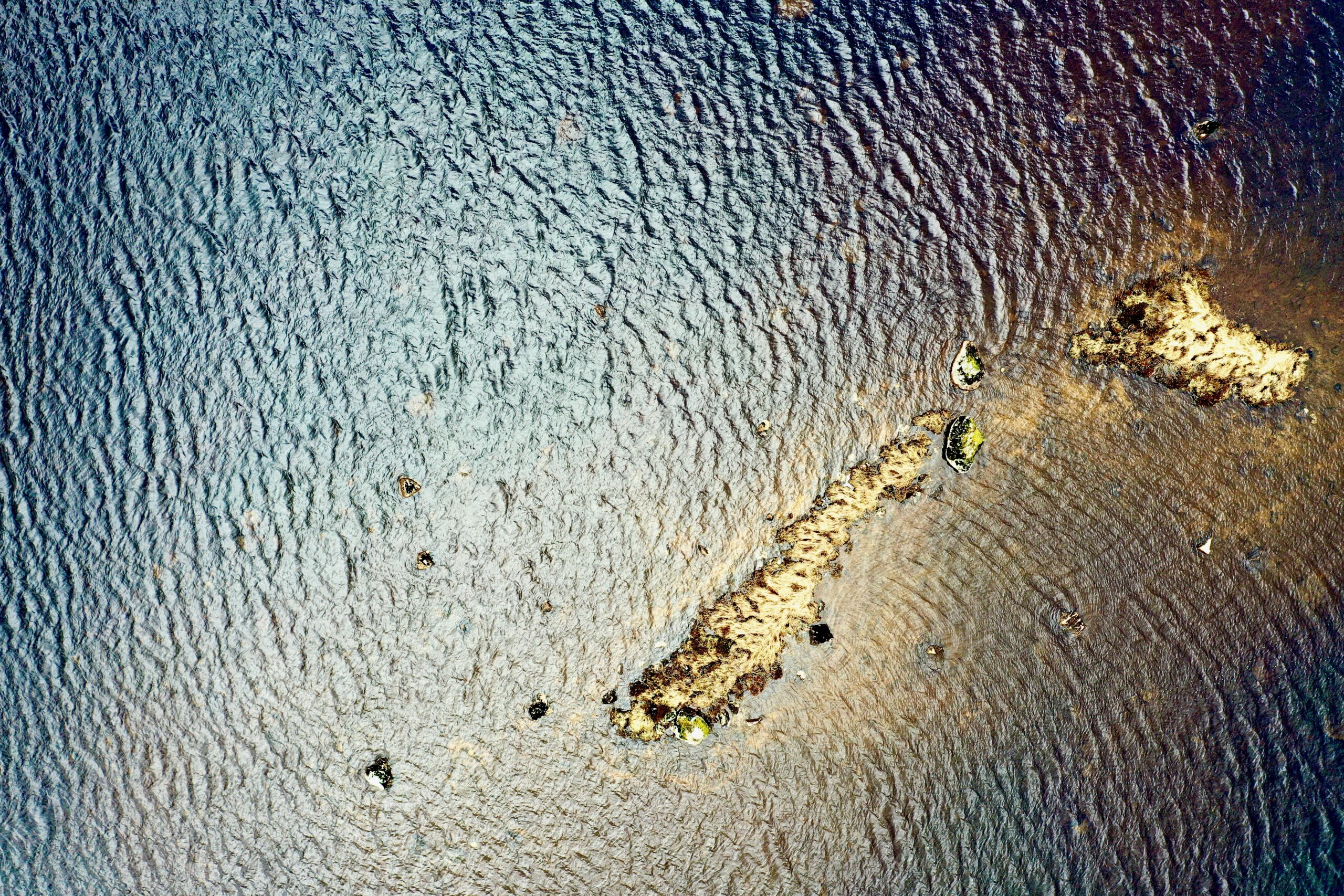
The GAEA Group, led by Millie Bompard, focuses on bridging the gap between research, training, and public engagement. The group leads innovative work in science communication, knowledge exchange, and capacity building, using tools such as digital media, drone-based environmental surveys, and bespoke training programmes (e.g., Geo-Biosciences Advanced E-Learning Academy). GAEA plays a key role in making SUERC’s research accessible, impactful, and relevant to wider society through open dialogue and creative outreach.