The Geochronology & Geochemistry Research Group (G2RG) uses high precision mass spectrometry, isotope geochemistry and radioisotope geochronology to address questions in Earth, Planetary and Environmental Science.
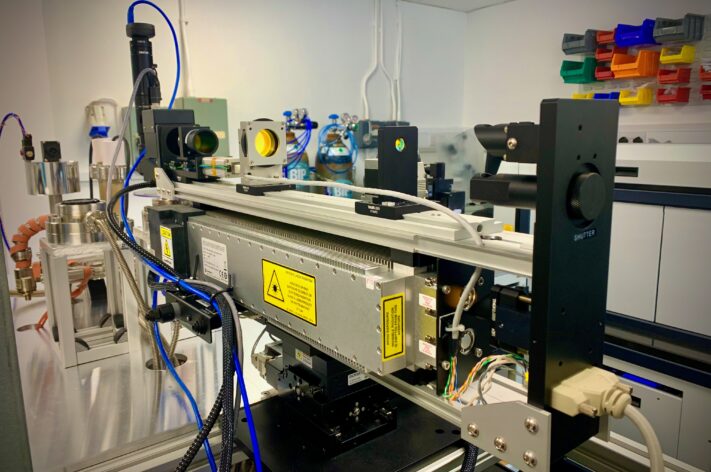
Geochronology provides the temporal framework for understanding geological processes—measuring the rates, timing, and significance of events such as sedimentation, volcanism, and metamorphism. At SUERC, the G2RG applies two principal high-precision methods: U–Pb dating of zircon and ⁴⁰Ar/³⁹Ar dating of minerals like feldspar, often combining both to robustly constrain complex Earth and planetary histories. A core challenge today is intercalibrating different dating methods—work that builds on the legacy of the EarthTime initiative.
Radiogenic isotope geochemistry complements this by using parent–daughter isotope systems (e.g., Rb–Sr, Sm–Nd, U–Pb) to both date and trace Earth system processes. These isotopic signatures reveal insights into crustal evolution, mantle dynamics, climate change, and planetary differentiation.
Together, these tools form a powerful approach to investigating the rock record across timescales—from the formation of the Earth–Moon system to modern environmental change.
Unlocking Earth’s History Through Isotopic Insight
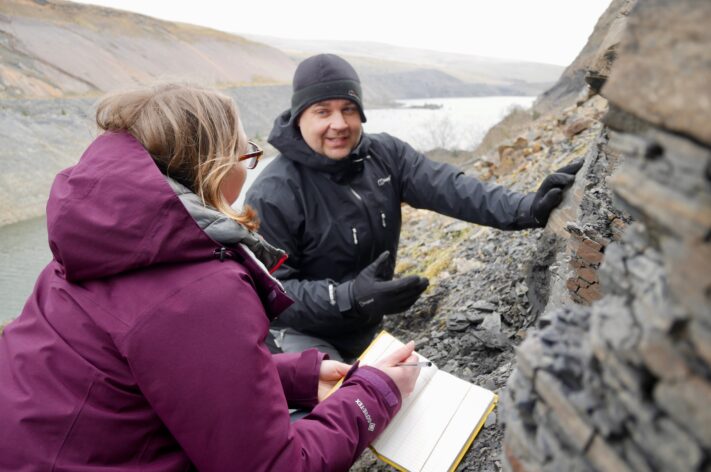
If your project could benefit from collaboration with the G2RG, we encourage you to get in touch. We work with students, early career researchers, and established scientists from across the UK and around the world, supporting research at every stage with our analytical expertise and collaborative approach. As a recognised global leader in high-precision geochronology, G2RG is embedded in international efforts to improve the accuracy and calibration of geochronometers, helping to advance the science that underpins our understanding of Earth’s history.
Techniques
The G2RG employs a comprehensive suite of analytical techniques to investigate geological materials and establish high-precision chronologies. Our capabilities include sample preparation, mineral separation and picking—enhanced by SelfRAG rock processing—alongside detailed sample characterisation using scanning electron microscopy (SEM). We offer U-(Th)-Pb geochronology via CA-ID-TIMS and, LA-ICPMS, as well as radiogenic isotope analysis (Sr, Nd, Pb, U) through dissolution and ion exchange chemistry. The group also delivers K-Ar and Ar/Ar geochronology, argon isotope composition analysis, and Bayesian age-depth modelling to integrate geochemical data into robust, time-resolved frameworks.

Prof. Darren Mark
Professor of isotope geochronology, SUERC Director
Dr Dan Barfod
Research Fellow, Manager of NEIF Ar/Ar Facility
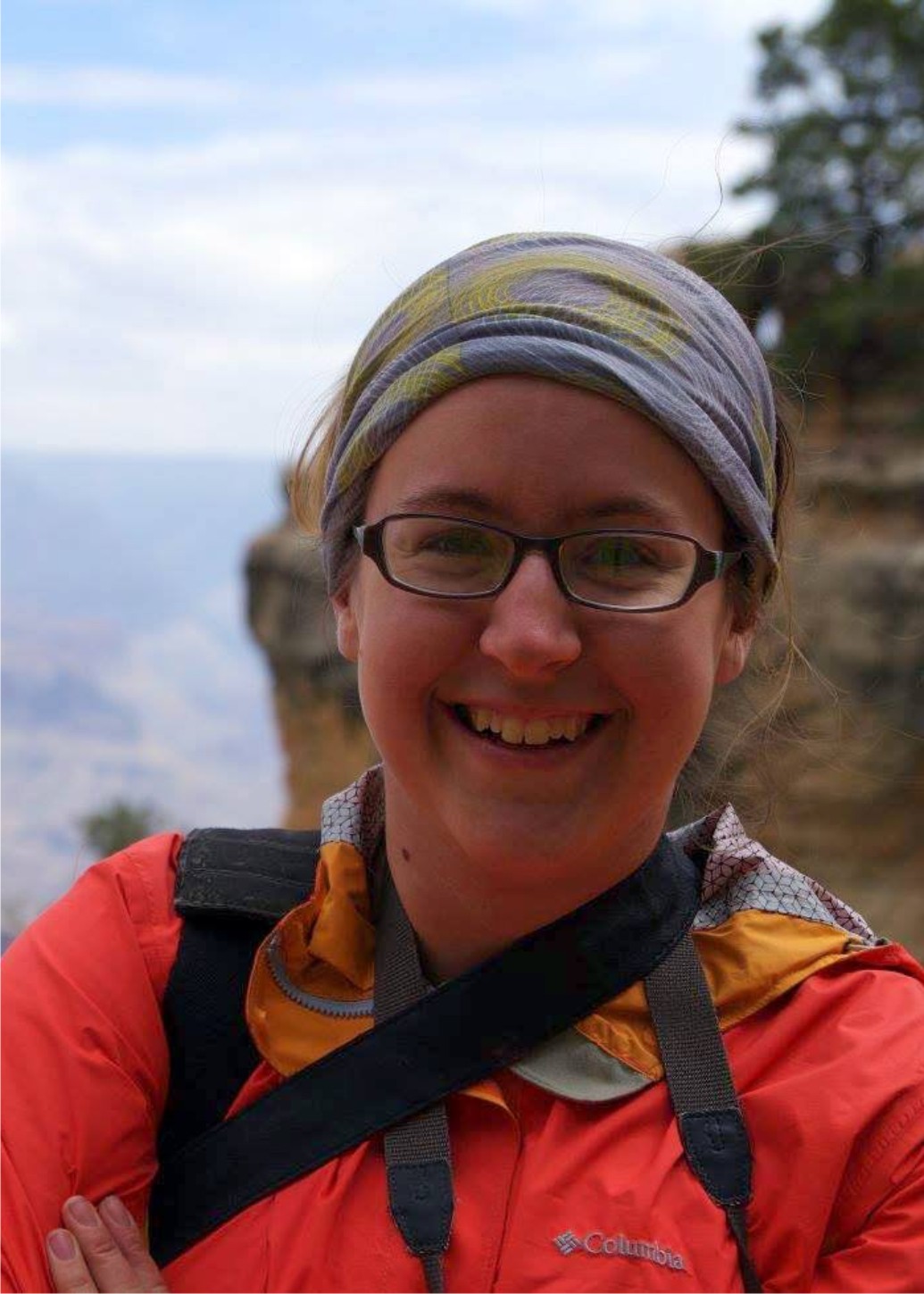
Annemarie Pickersgill
Research Fellow

Anne Kelly
Laboratory Manager
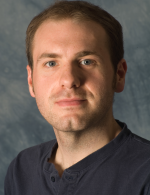
Ross Dymock
Senior Technical Specialist
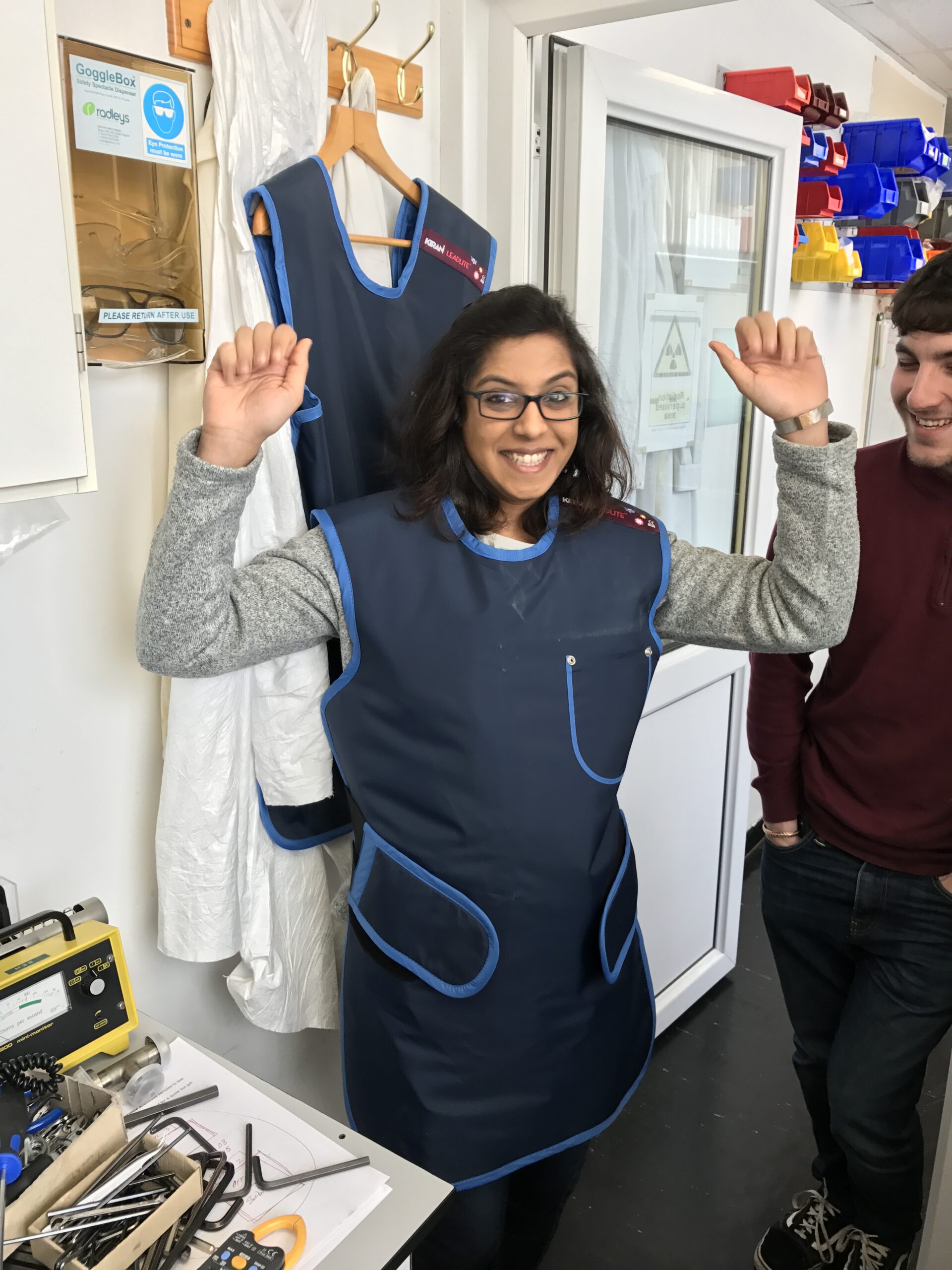
Rasika Mahajan
Geochronology & Geochemistry Technician

Kathleen O'Keefe
Technician, NEIF Argon Isotope Laboratory

Vincent Gallagher
TIMS/ICP Technician
Emily Pegge
PhD Candidate
Karlo Lisica
PhD Candidate
Lilli Day
PhD Candidate
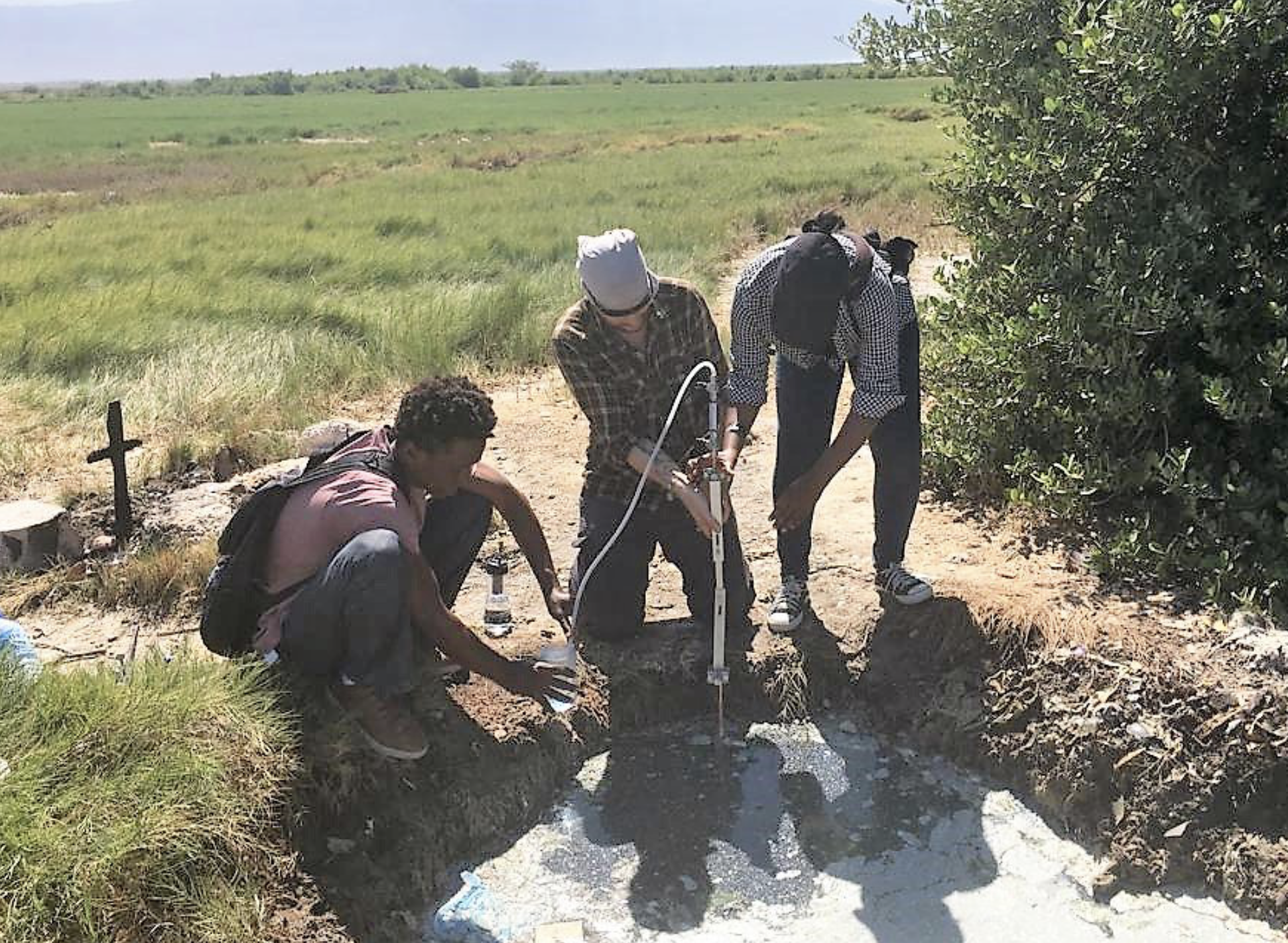
Environment & Health
Our Environment and Health research theme harnesses isotopic techniques to tackle pressing challenges in ...
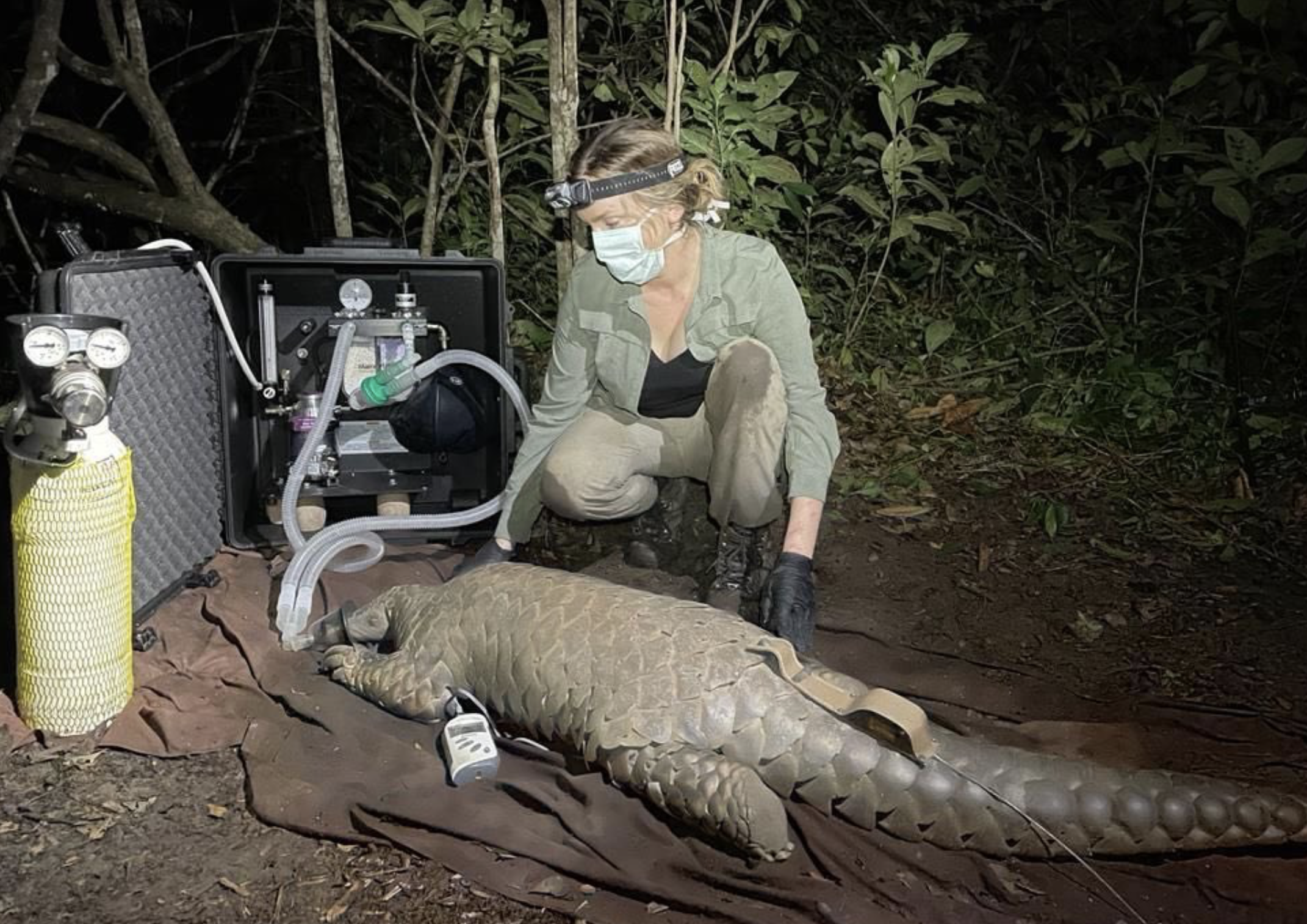
One Planet
The One Planet research theme is dedicated to understanding the interconnectedness of Earth’s ...
People & Place
The People and Place research theme explores the deep connections between human populations ...