Power upgrade: 300kW
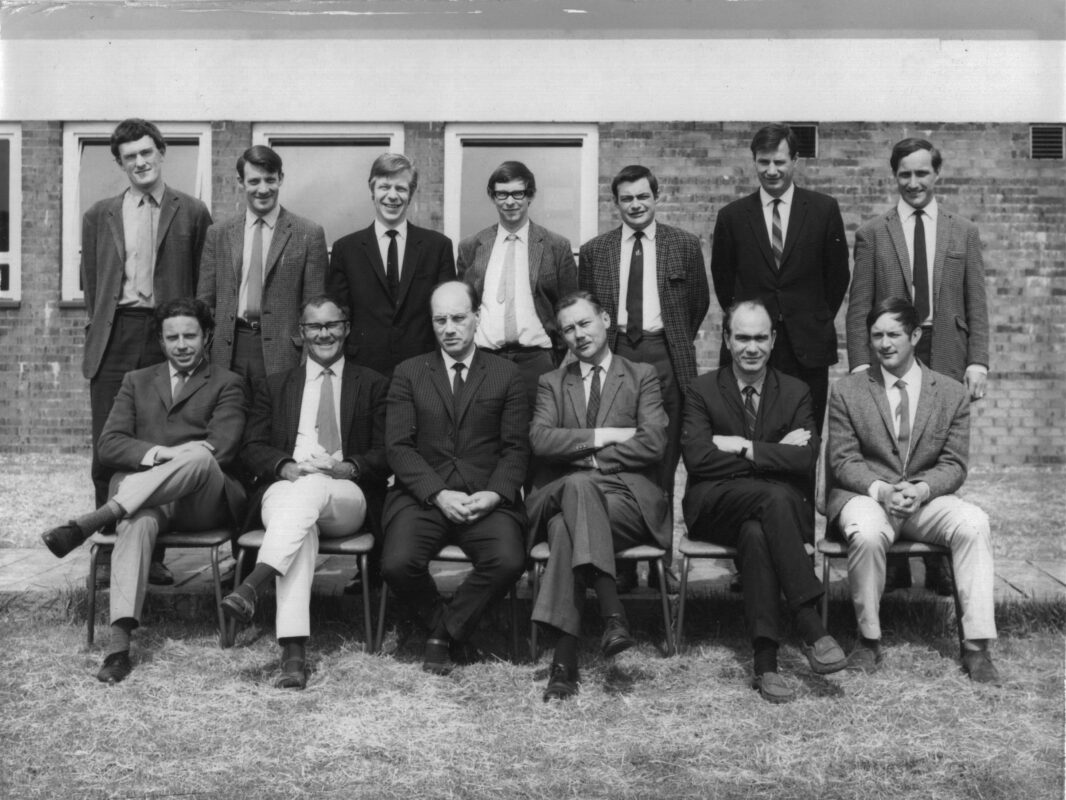
By 1970, the Scottish Research Reactor Centre (SRRC) had undergone a major phase of growth, transforming into a multidisciplinary research facility. A second block was added to accommodate new laboratories, including the rapidly expanding Isotope Geology Unit, which now housed nine staff members, two mass spectrometry systems, and plans for advanced stable isotope facilities. A landmark development that year was the establishment of the Radiocarbon Dating Centre, positioning SRRC at the forefront of archaeological and environmental chronology research in the UK.
The site also gained significant technical capabilities, including a helium liquefier, Wein isotope separator, X-ray diffraction (XRD) instrumentation, neutron radiography, whole-body monitoring (WBM), and in-vivo neutron activation analysis (NAA) facilities. According to the Izatt report, this expansion was supported by funding from the Science Research Council (SRC), the Natural Environment Research Council (NERC), the Scottish Hospitals Endowment Research Trust, and the UK Atomic Energy Authority (UKAEA). This period marked SRRC’s evolution into a national centre for nuclear science, isotope geochemistry, and dating technologies, with the new Radiocarbon Dating Centre serving as a cornerstone of its research output.